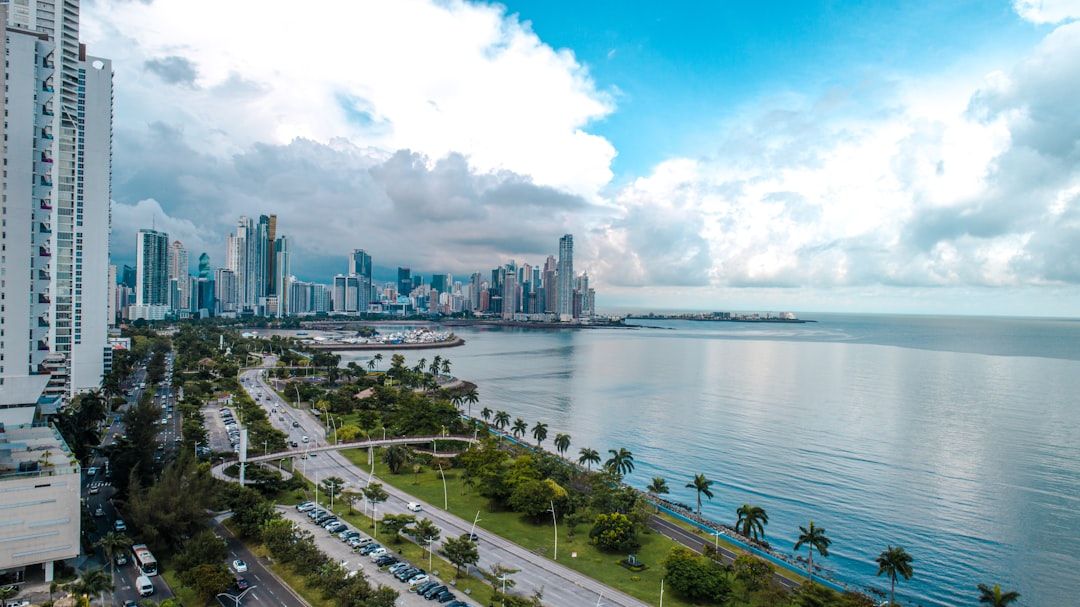
Panama's combination is unusual: the US dollar as legal tender, territorial taxation, and residency routes that have historically been among the most accessible in the Americas. That mix is why it attracts a disproportionate number of retirees and remote workers relative to its size.
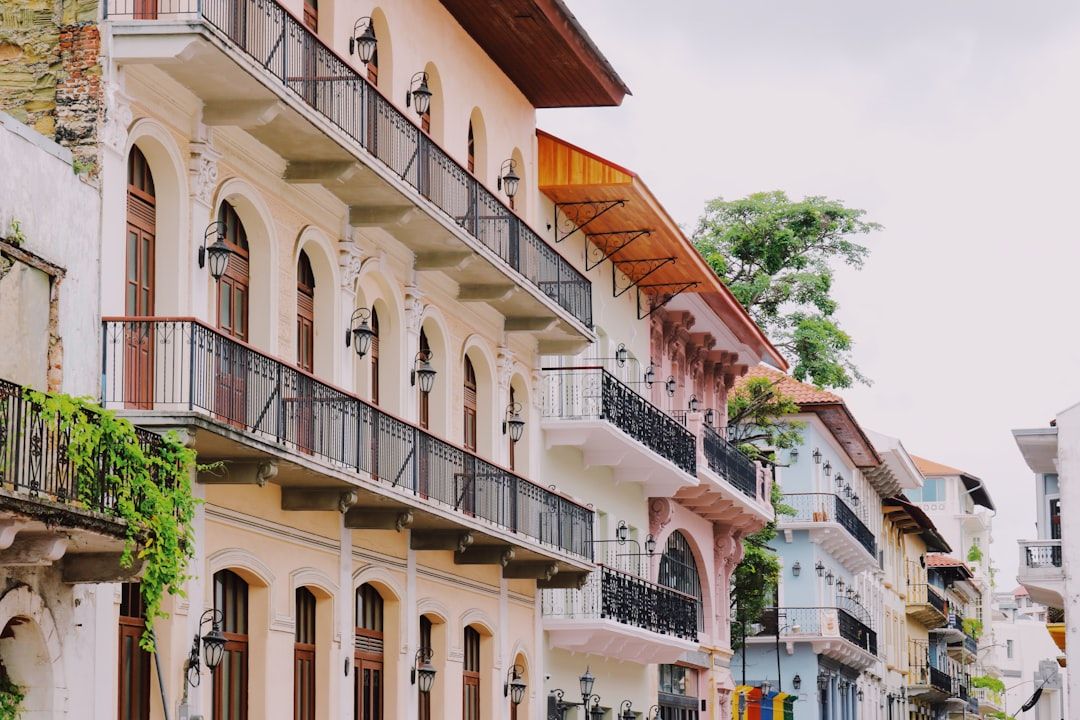
The residency routes
| Route | Basis |
|---|---|
| Friendly Nations | Citizens of ~50 listed countries, plus a qualifying link |
| Pensionado | $1,000/month lifetime pension |
| Investor / Qualified Investor | Property or securities above thresholds |
| Reforestation investor | Investment in certified forestry |
Friendly Nations was for years the simplest residency in the region. It has been revised and now requires a genuine link — professional or employment ties to Panama, a property purchase above a threshold, or a fixed-term bank deposit. Because the rules have changed more than once, confirm the current position with a Panamanian attorney rather than relying on any article, including this one.
Pensionado needs $1,000 a month in lifetime pension income, which is among the lowest thresholds anywhere. It must be a genuine pension — a savings drawdown generally does not qualify.
The Pensionado also carries a legislated discount package that is unusual and real: reductions on domestic and international flights, medical consultations, hospital bills, restaurants, entertainment, public transport and utility bills. For a retiree on a modest income these compound meaningfully.
Territorial taxation
Panama taxes only Panama-source income. Foreign pensions, dividends, rental income and remote work paid from abroad fall outside it.
For Europeans who can sever tax residence at home, this is genuinely advantageous. For Americans it is less so, because US citizenship-based taxation follows you — there is no foreign tax credit to claim against your US bill when you paid no local tax, so income above the Foreign Earned Income Exclusion is taxed by the US at full rates.
That asymmetry is worth understanding before choosing Panama specifically for tax reasons.
Dollarisation
Panama uses the US dollar as legal tender alongside the balboa, which is pegged one to one and circulates only as coins.
The practical effect for Americans: no exchange rate risk, no conversion fees, and prices that are immediately legible. The flip side is no benefit when a local currency weakens, which is how costs fall for expats in Mexico or Colombia. Panama's prices behave like US prices.
Where people live
Panama City — a genuine metropolis with a skyline, good hospitals, international flights and the most expensive housing in Central America. A good one-bedroom runs $800–1,400.
Boquete, in the western highlands — cool mountain climate, a large established retiree community, coffee farms. The temperature is the draw: it sits at around 1,200 metres and stays mild year round while the coast is hot.
Coronado and the Pacific beaches, about ninety minutes from the city — beach living with easy access to the capital's hospitals.
Bocas del Toro — Caribbean islands, laid back, cheaper, and with noticeably thinner infrastructure and healthcare.
Costs
| Panama City | Boquete | Coronado | |
|---|---|---|---|
| 1-bed rental | $800–1,400 | $500–900 | $600–1,100 |
| Utilities | $80–180 | $50–90 | $90–190 |
| Couple, monthly | $2,200–3,200 | $1,600–2,400 | $1,800–2,600 |
Boquete's utility bill is lower because the climate means no air conditioning — the single biggest recurring saving in tropical Latin America.
Healthcare
Panama City's private hospitals are good, with several affiliated to US institutions and English widely spoken among specialists. A consultation runs $40–80 and private insurance $100–300 a month depending on age.
Outside the city and Boquete, facilities thin out considerably. Anyone with ongoing medical needs should weight proximity to Panama City heavily, and the Pensionado medical discounts apply meaningfully here.