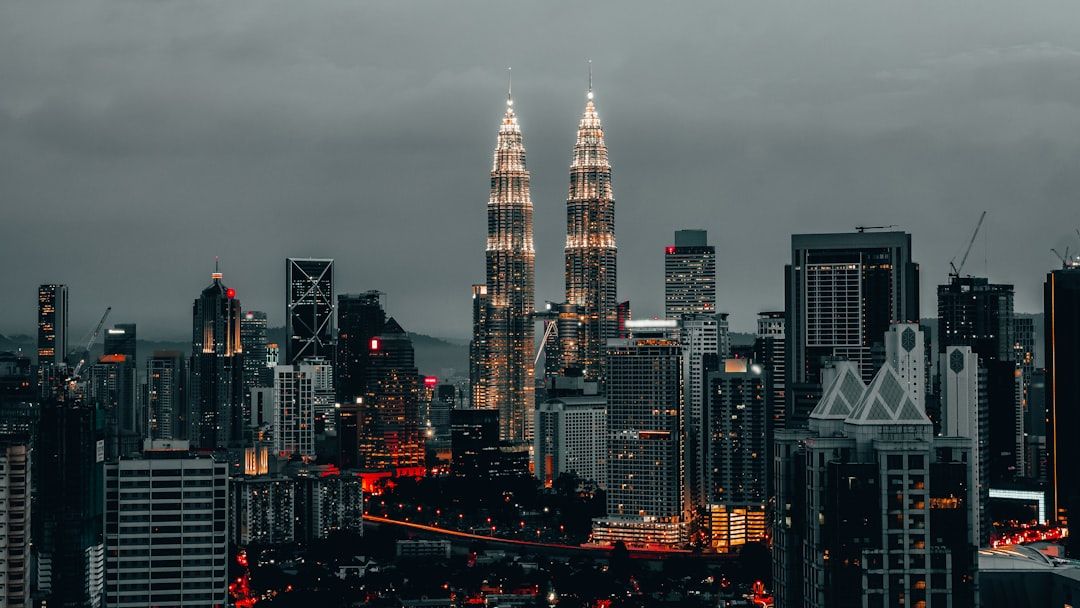
Malaysia was for years the easiest place in Asia to obtain long-stay residence, on a programme designed to attract retirees and remote workers. That programme was overhauled, and much of what is written about it online predates the change.
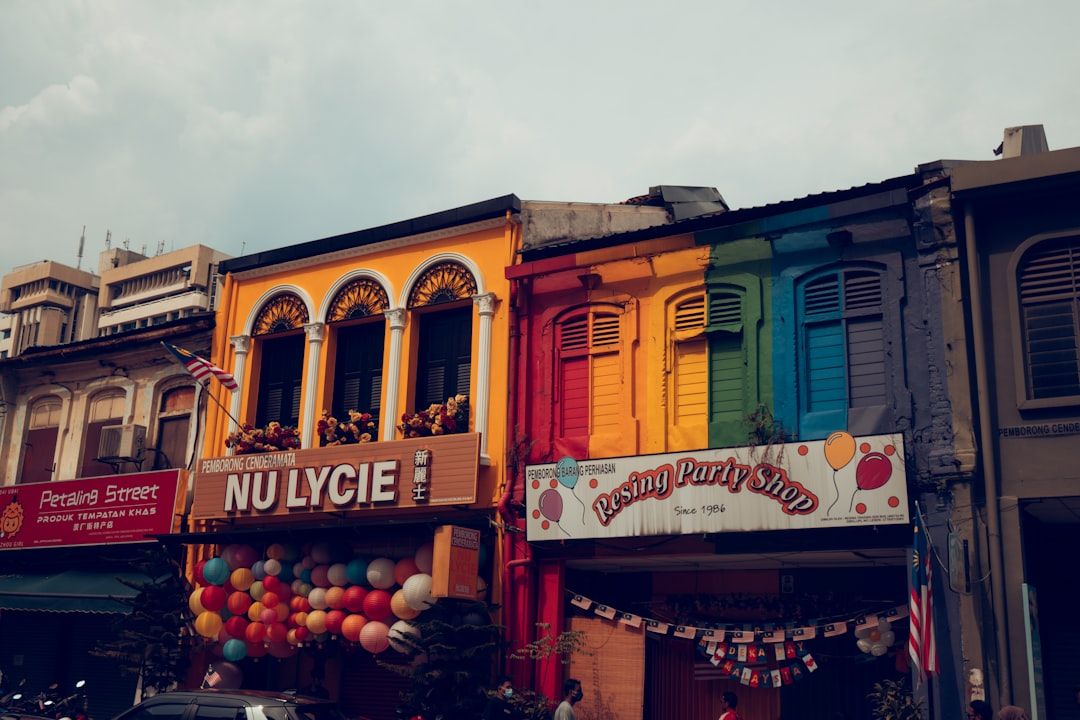
MM2H, as it now stands
Malaysia My Second Home was revised with substantially higher financial thresholds, a tiered structure, and minimum physical presence requirements that did not previously exist.
Because the terms have been adjusted more than once since the initial overhaul, any specific figures published in an article age badly. Check the official programme terms directly, and speak to a Malaysian agent, before building plans around a threshold you read somewhere.
What is structurally true regardless of the exact numbers:
It now sits at a considerably higher financial level than before. It is tiered, with longer visas at higher thresholds. It requires a fixed deposit in a Malaysian bank. And it carries a minimum number of days you must physically spend in the country each year, which removes it as a pure flag-planting option.
The Sarawak alternative
Sarawak, on Borneo, runs its own version of the programme with separate and generally lower thresholds than the federal scheme.
The trade is geographic: it grants residence in Sarawak rather than nationwide. For someone whose priority is a low-cost tropical base and who is content on Borneo — Kuching is pleasant, green and inexpensive — it has become the more accessible route, and it is worth investigating specifically rather than assuming MM2H means only the federal programme.
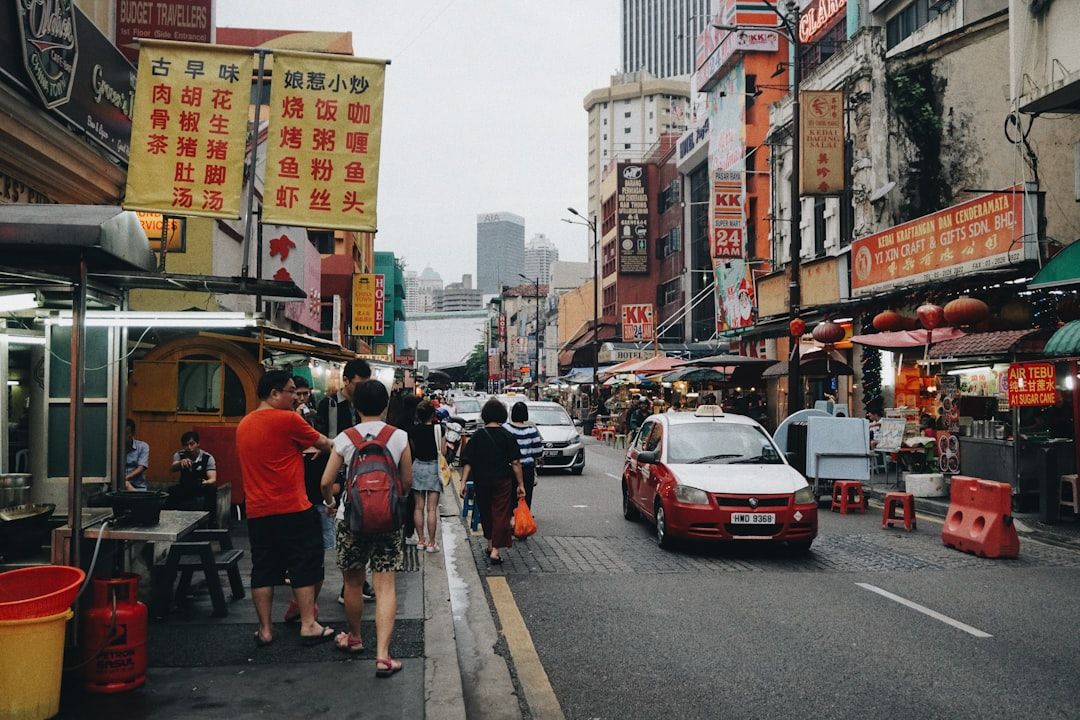
Other routes
Employment pass, sponsored by a Malaysian employer, which is the standard route for working-age arrivals.
The DE Rantau nomad pass, aimed at remote workers and digital professionals, with an income threshold well below MM2H.
Student and dependant passes.
Why people choose Malaysia anyway
English. Very widely spoken, used in business and signage. Malaysia is among the easiest countries in Asia for an English speaker to settle in without learning the local language, which is a genuine practical advantage over Thailand or Vietnam.
Healthcare. Private hospitals in Kuala Lumpur and Penang are excellent and much cheaper than Western equivalents — a specialist consultation is RM 100–250. Malaysia is a substantial medical tourism destination, which tells you something about the standard.
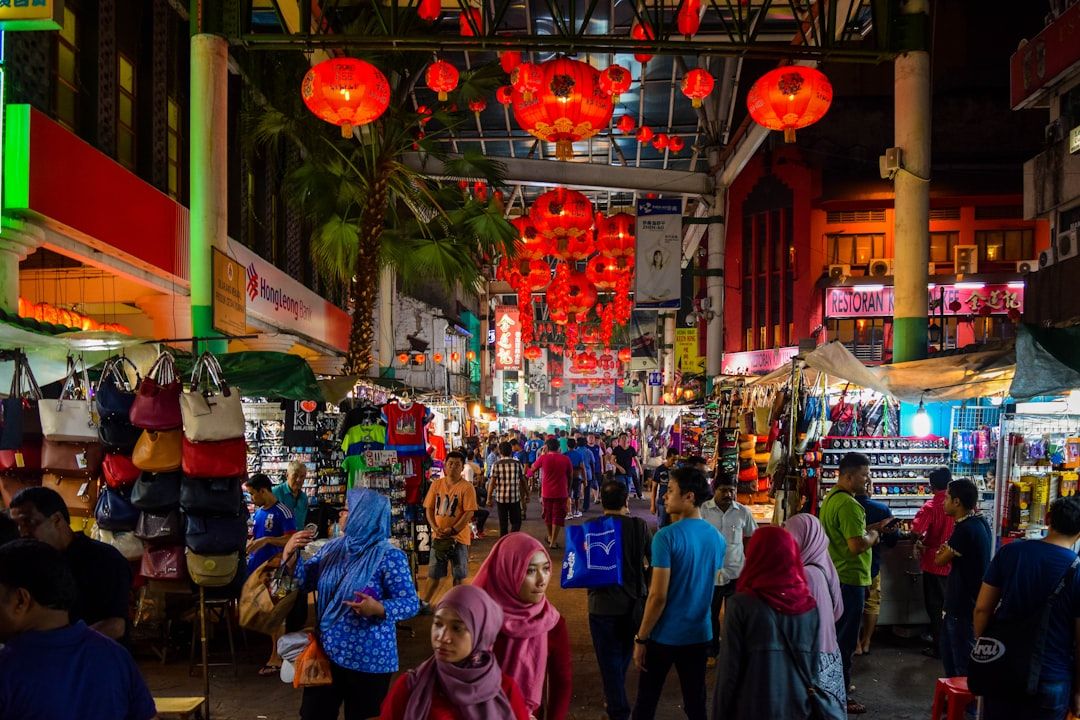
Food. Malay, Chinese and Indian traditions in one country, and hawker centre meals at RM 8–15.
Connectivity. KL is a major hub with cheap flights across Asia.
Infrastructure. Reliable internet, good roads, functioning public transport in KL.
Costs
| Kuala Lumpur | Penang | Ipoh / smaller | |
|---|---|---|---|
| 1-bed condo | RM 2,000–3,500 | RM 1,500–2,800 | RM 900–1,600 |
| Utilities + internet | RM 250–450 | RM 250–450 | RM 200–380 |
| Hawker meal | RM 8–15 | RM 7–13 | RM 6–12 |
| Couple, monthly | RM 7–11,000 | RM 6–9,000 | RM 4.5–7,000 |
Roughly $1,500–2,400 a month for a couple in KL, which is comparable to Thailand and below Singapore by a wide margin.
Condos with a pool, gym and security are standard rather than premium, as in Bangkok.
Practical notes
Penang has the largest established foreign community outside KL, with George Town's colonial architecture and the best food in the country.
Alcohol is heavily taxed and Malaysia is a Muslim-majority country, so drinking is more expensive and less ubiquitous than in Thailand.
The climate is equatorial — hot and humid year round with no cool season, unlike northern Thailand or Vietnam. Air conditioning is a permanent cost.
Ramadan affects opening hours and dining, particularly outside the tourist and Chinese-majority areas.