
Almost everyone moving from the US to Portugal picks Lisbon, mostly because it is the city they visited. It is a reasonable choice and it is not automatically the right one, and the differences between the realistic options are larger than a short trip reveals.
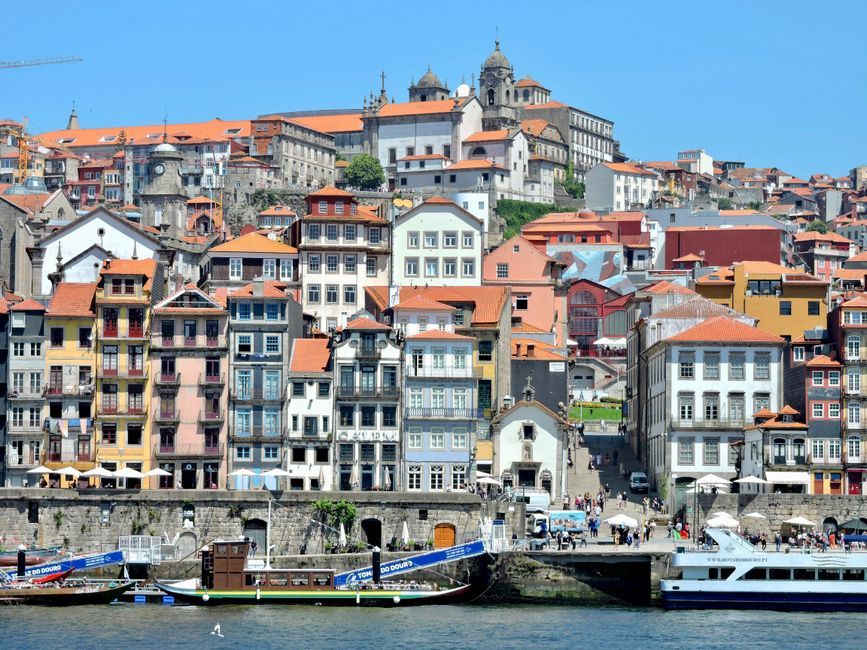
The comparison
| Lisbon | Porto | Algarve | Coimbra / Braga | |
|---|---|---|---|---|
| 1-bed rent | €1,100–1,600 | €800–1,200 | €700–1,300 | €500–800 |
| English widely spoken | Yes | Mostly | Yes | Limited |
| Rain per year | ~725mm | ~1,200mm | ~500mm | ~900mm |
| Expat community | Large, transient | Moderate, stable | Large, older | Small |
| Integration speed | Slow | Moderate | Slow | Fast |
Lisbon
The case for it is genuine: the most international job market in the country, direct flights to most of the US and Europe, year-round sunshine, and enough English that you can function from day one.
The case against is cost and churn. Rents roughly doubled in a decade and central neighbourhoods have been reshaped substantially by short-term rentals and foreign buyers. There is real local frustration about this, and arriving without acknowledging it reads badly.
The subtler problem is transience. Lisbon's international community turns over fast — people arrive for two years and leave. Friendships form easily and then dissolve, and after eighteen months many people find their social circle has largely replaced itself.
Also worth knowing: the hills are not decorative. Alfama and Bairro Alto are genuinely steep, and the cobbles are slippery in rain. It matters for anyone with mobility limits.
Porto
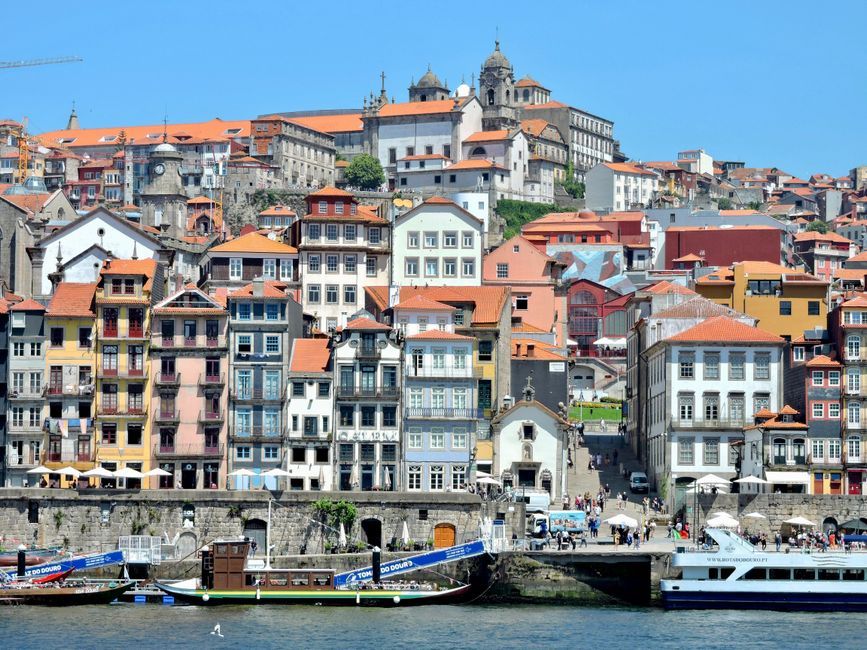
Cheaper by 25 to 30 percent, smaller, and considerably easier to become part of. The city is compact enough to cross on foot, the food is excellent and less priced for tourists, and the local population has not yet been displaced from the centre to the same degree.
The honest drawback is rain. Around 1,200 millimetres a year, concentrated October to April — roughly double Lisbon. Summers are lovely. Winters are mild but grey and persistently wet, and people who moved for Mediterranean sun are frequently surprised.
The job market is smaller and more Portuguese-speaking. For a remote worker or retiree that is irrelevant; for someone needing local employment it is decisive.
The Algarve
Best weather in mainland Portugal, an established English-speaking community going back decades, and good healthcare aimed at foreign residents. For retirees it is a genuinely sensible choice.
The seasonality is the thing to test. Between November and March many towns empty out substantially, with restaurants shut and services reduced. Some people find that peaceful. Others find it isolating in a way a summer visit gave no hint of. Visit in January before committing.
The other consideration is that the established English-speaking community makes it very easy never to learn Portuguese, which becomes a problem at the five-year citizenship mark.
The smaller cities
Coimbra, Braga, Aveiro, Setúbal. Substantially cheaper, and integration happens far faster because it has to — you will need Portuguese within months rather than years.
This is the option almost nobody considers and the one that produces the most settled expats. The trade is real: less English, fewer international flights, a much smaller foreign community. But people who land in a smaller city tend to build a Portuguese life rather than an expat one, and they stay.
How to actually decide
Rent short in two of them before signing anything for a year. Three months in Porto in winter and three in Lisbon tells you more than any amount of research, because the variables that decide this — rain, hills, quiet, whether you can hear yourself think — are experiential rather than factual.
The one recommendation worth making generally: do not sign a twelve-month Lisbon lease from the United States before setting foot in the neighbourhood.