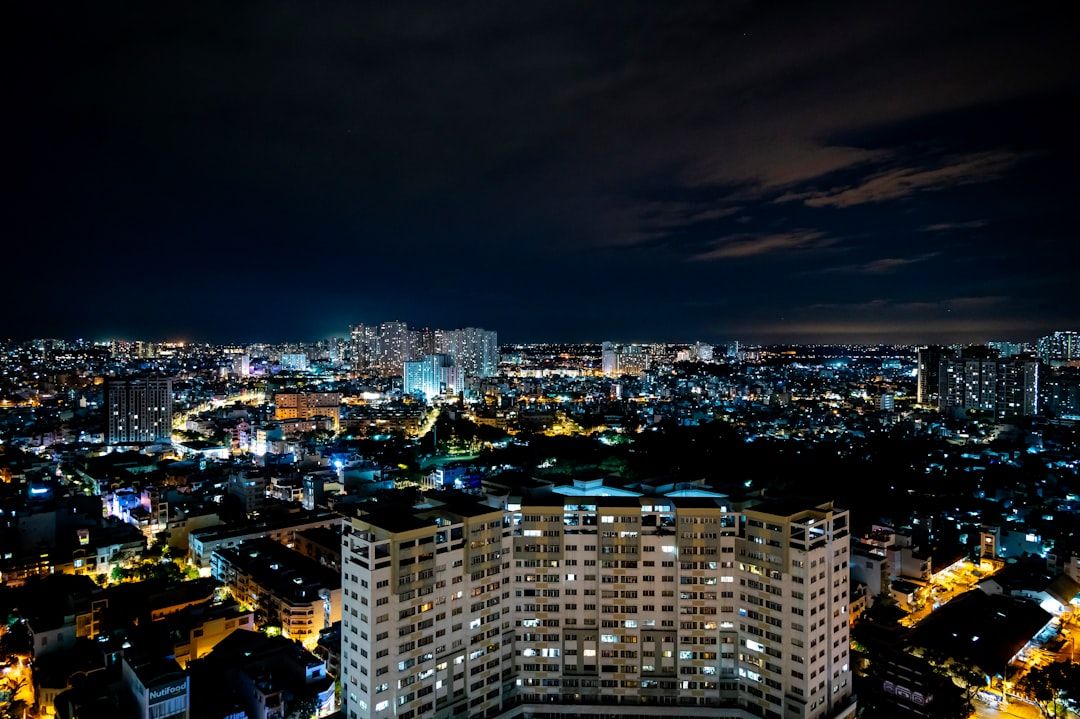
Vietnam's paperwork is covered thoroughly elsewhere. What is harder to find is a description of the daily texture — the small operating differences that take a few months to stop being effortful.
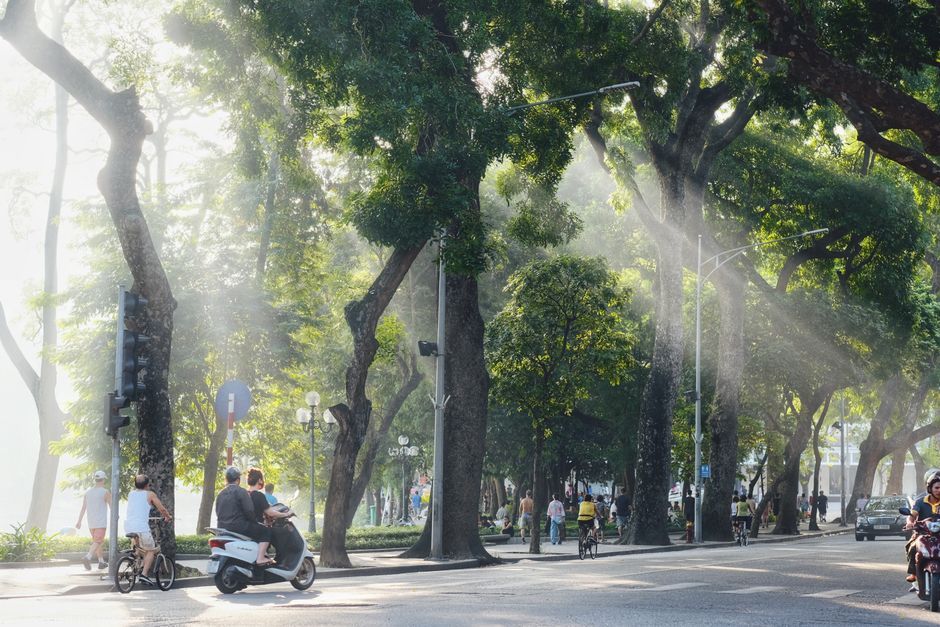
The traffic makes sense once you see the rule
The first impression of a Hanoi intersection is that it is chaos. It is not; it is a different system, and it has one governing principle: everyone predicts everyone else's continuous path and steers around it.
Which means crossing the road works like this. Step off the kerb and walk slowly, steadily, without stopping. The motorbikes will flow around you. What causes accidents is stopping abruptly or darting forward, because you have just invalidated the prediction every rider made about where you would be.
This feels genuinely terrifying for about two weeks and then becomes unremarkable. The important exception: this applies to motorbikes. Cars, buses and trucks do not have the same manoeuvrability, and you should wait for an actual gap.
On riding yourself — motorbike accidents are the leading serious injury risk for foreigners across the region, and most insurance excludes you if you are riding without a licence valid for the engine size. Grab is cheap and everywhere. The maths favours Grab for the first several months at minimum.
Cash, and why banking matters more than you expect
Vietnam has modernised fast but a lot of daily life is still cash. Street food, markets, small shops, most taxis. Cards work in the chains and larger restaurants in the big cities.
The domestic QR payment ecosystem is now dominant among locals, but nearly all of it requires a Vietnamese bank account, and that requires residence documentation. Without a TRC or work permit you are on cash and international cards, paying a withdrawal fee every time — which over a year is a substantial and entirely avoidable sum.
Vietcombank, Techcombank and VPBank deal with foreigners most routinely. Branch practice varies, so if one branch refuses, another may not.
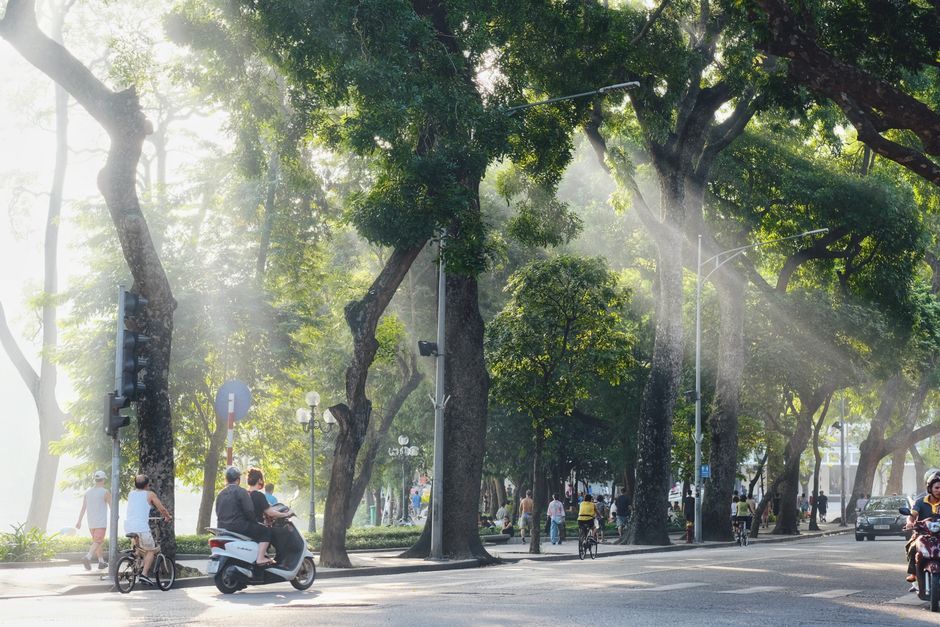
Apartments
Serviced apartments are the norm for foreigners and are the best value in the region: cleaning, utilities and often laundry included, typically 450 to 700 dollars for a good one-bedroom in Ho Chi Minh City.
Practical points. Listings are dominated by Facebook groups and Zalo rather than property portals, so the market is less visible from abroad than you would expect. Deposits are usually one to two months. Landlords frequently want six or twelve months up front, and this is negotiable more often than it is presented as. And check the building's backup generator situation — power cuts happen, and a twentieth-floor apartment without a working lift is a different proposition.
Look at the place at night before signing. Karaoke is a national pastime and proximity to a karaoke bar is not disclosed in listings.
The air
This deserves more attention than it usually gets. Hanoi has extended periods of genuinely unhealthy air through the winter, with AQI readings that stay in the unhealthy band for weeks. Ho Chi Minh City is better but not clean. Da Nang and the coastal cities are substantially better.
If anyone in the household has asthma or a respiratory condition, this should drive the choice of city rather than sit as a footnote. A good air purifier is standard equipment in Hanoi apartments and is not an over-reaction.
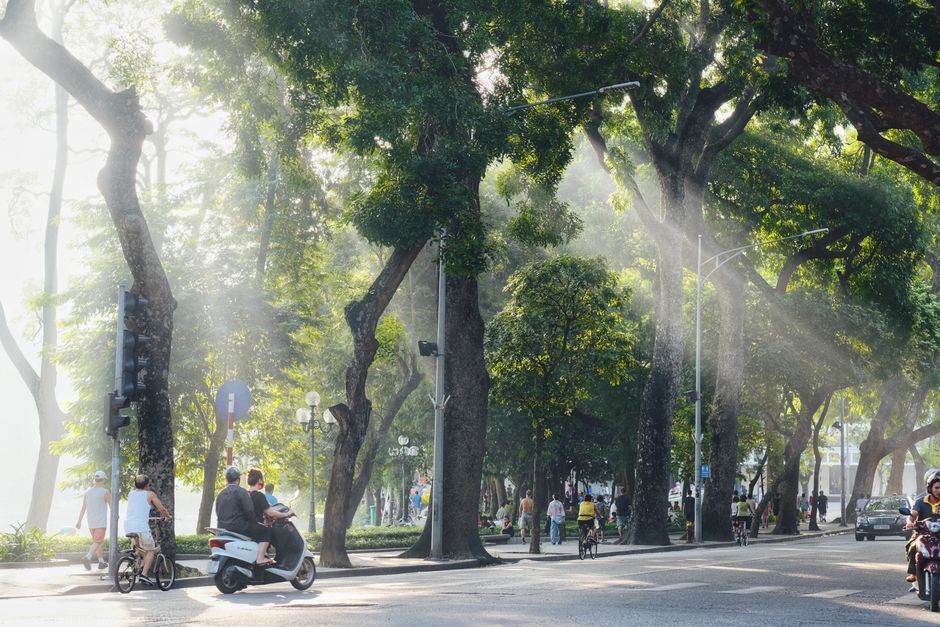
The social adjustment
Vietnamese social life is organised around family and long-standing groups more tightly than most Western arrivals expect, and casual friendship forms more slowly as a result. The foreign community fills the gap quickly and is welcoming, and — as everywhere in the region — it turns over constantly.
Learning Vietnamese is hard: six tones in the northern dialect, and a large gap between the language as taught and as spoken. But the script is Latin, which puts basic reading within immediate reach, and even modest spoken Vietnamese changes interactions noticeably. Effort is registered and appreciated more visibly here than in many places.
What people end up loving
Almost invariably the food and the pace. Vietnam has arguably the best everyday street food in the world, and eating well costs two dollars. Coffee culture is genuinely excellent and deeply local rather than imported. And the country is a place where a great deal is still improvised and negotiable, which is exhausting in month one and rather liberating by month twelve.