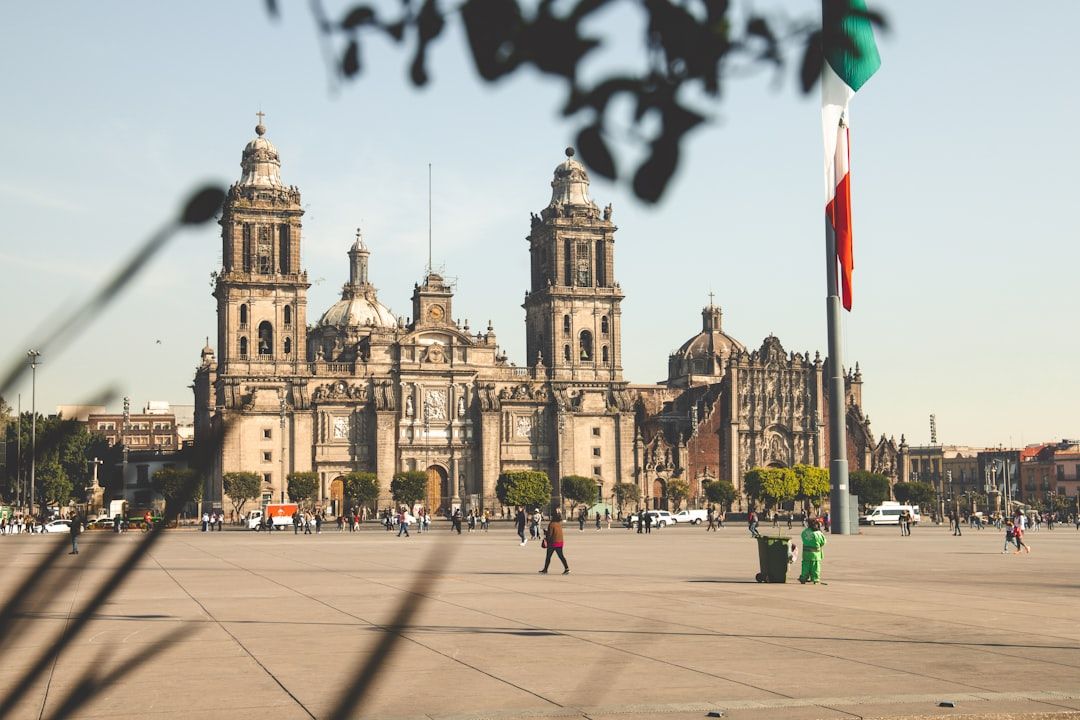
Mexico is the largest destination for American expatriates and the residency process is genuinely manageable. The part that catches people is where it has to start.
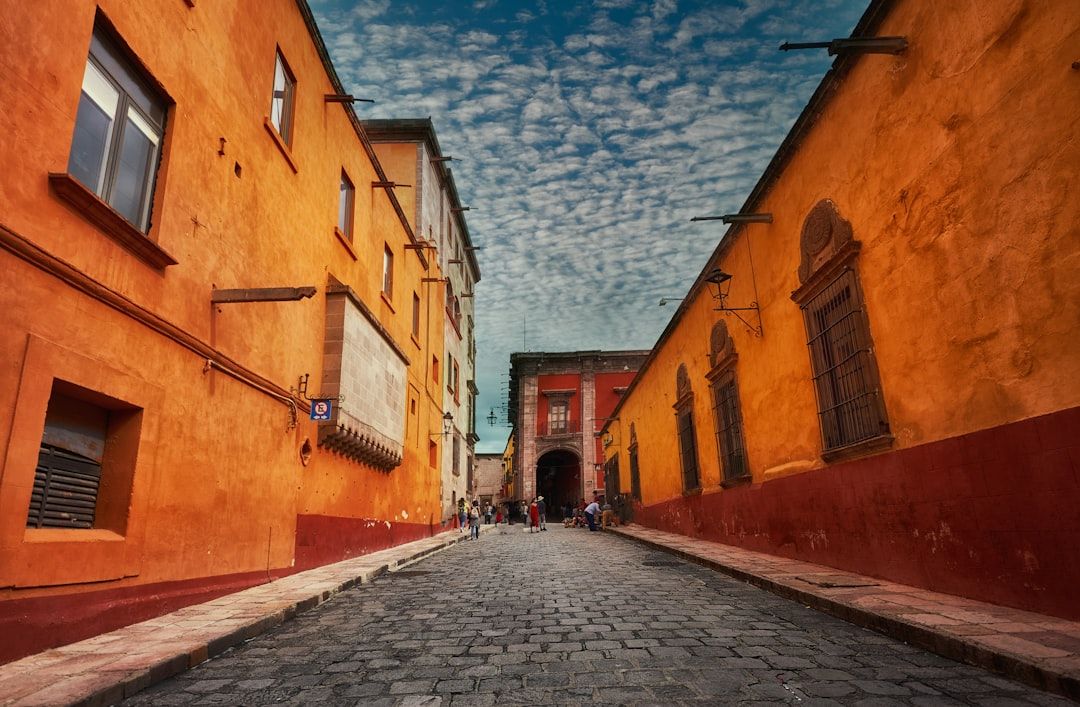
You apply from outside Mexico
This is the single most common procedural mistake.
Temporary and permanent residency applications normally have to begin at a Mexican consulate outside the country. People who are already living in Mexico on tourist entries and decide to regularise their status generally have to leave and apply from abroad.
At the consulate they assess your finances — either monthly income over the previous six months, or an average bank balance over twelve months, against thresholds tied to the Mexican minimum wage and revised annually.
Two things about those thresholds: they have risen substantially in recent years, and consulates interpret them with noticeable variation. Confirm the current figures with the specific consulate you intend to use rather than relying on any published number, including here.
The canje, which has a hard deadline
Once the consulate stamps the visa in your passport, you have 180 days to enter Mexico, and then 30 days from entry to complete the canje — exchanging that visa for the actual residency card at an INM immigration office.
Missing the 30-day window invalidates the visa and means restarting from a consulate abroad.
Book the INM appointment before you fly if you can. In Mexico City and Guadalajara the appointment system is busy and thirty days is not generous.
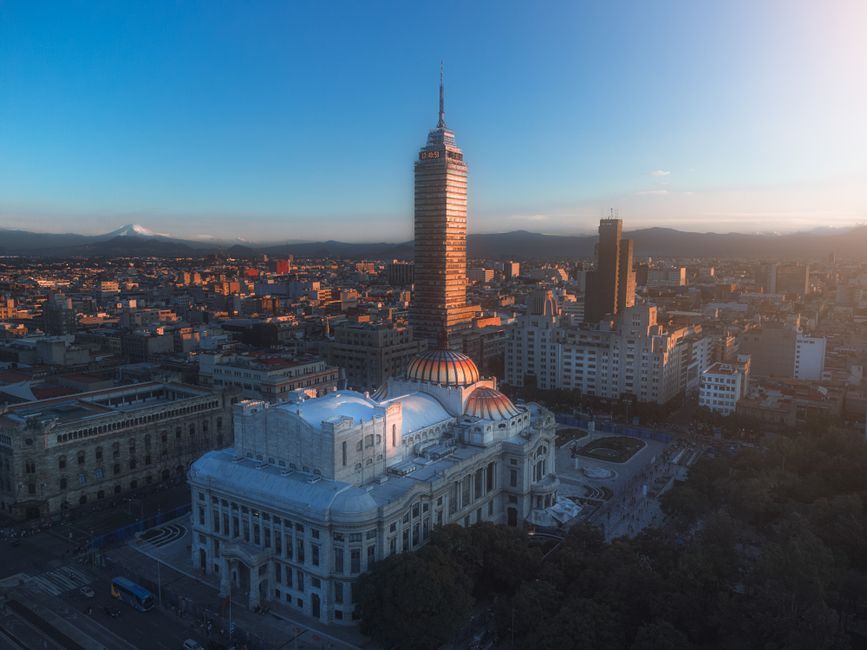
After the card
CURP — the unique population registry code — follows from residency and is needed for banking, healthcare enrolment and most administrative processes.
Banking requires the residency card and CURP. Most large banks handle foreign customers routinely, though FATCA means Americans should expect additional forms and a slower opening.
Temporary residency runs one year initially, renewable up to four, after which you can apply for permanent residency. Some routes — such as family connection or sufficient economic solvency — allow permanent residency directly.
Spanish
You can function in English in parts of Mexico City, San Miguel de Allende and the coastal resort towns. Everywhere else, Spanish is necessary rather than advisable.
Mexican Spanish is clear and comparatively easy for English speakers, classes are cheap, and the effort is noticed. It is also the single largest determinant of whether you experience Mexico or an English-speaking enclave inside it.
The gentrification question
This deserves addressing directly because it is a live issue rather than an abstraction.
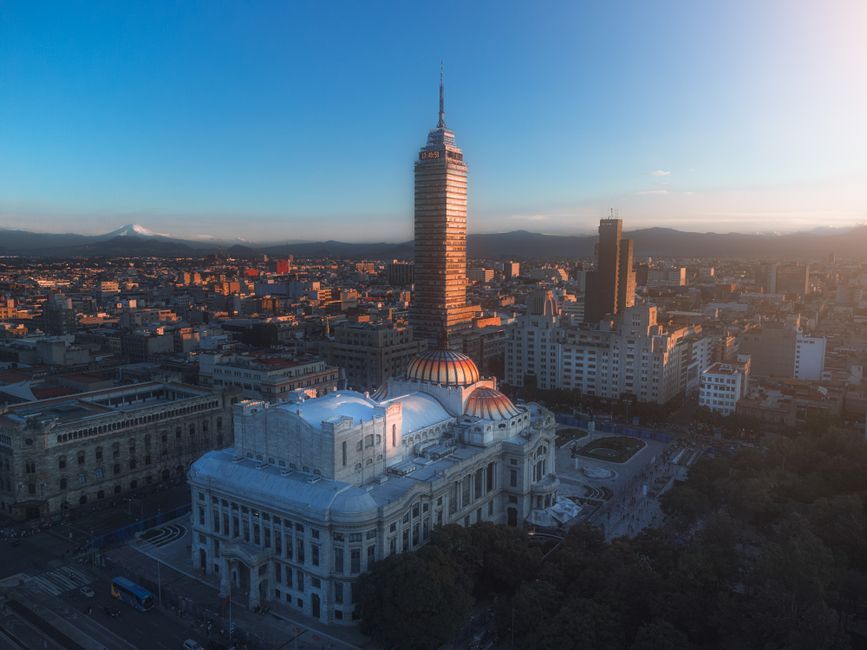
The arrival of foreign remote workers earning dollars into Mexico City neighbourhoods — Roma, Condesa, Juárez — during and after the pandemic pushed rents beyond what local wages support. There have been visible protests about it and it has been widely covered.
Nobody is going to be hostile to you personally; Mexicans are notably welcoming. But the situation is real, and the responses that matter are practical rather than performative:
Learn Spanish. The single clearest signal that you are living somewhere rather than passing through.
Rent long-term rather than in short-let stock, which is the specific mechanism that removed housing from the local market.
Consider living outside the two or three most affected neighbourhoods. Coyoacán, Escandón, Narvarte and Del Valle are pleasant, cheaper and less pressured.
Do not describe the city as cheap in front of people for whom it is not.
Where people settle
Mexico City for everything a large city offers. Mérida for safety and low costs, with serious heat. Guadalajara for a large city at moderate prices. Querétaro for a small prosperous one. Puerto Vallarta and Playa del Carmen for the coast, at coastal prices.
Time zones align with the US, flights home are short and frequent, and that combination is a large part of why Mexico dominates the numbers.