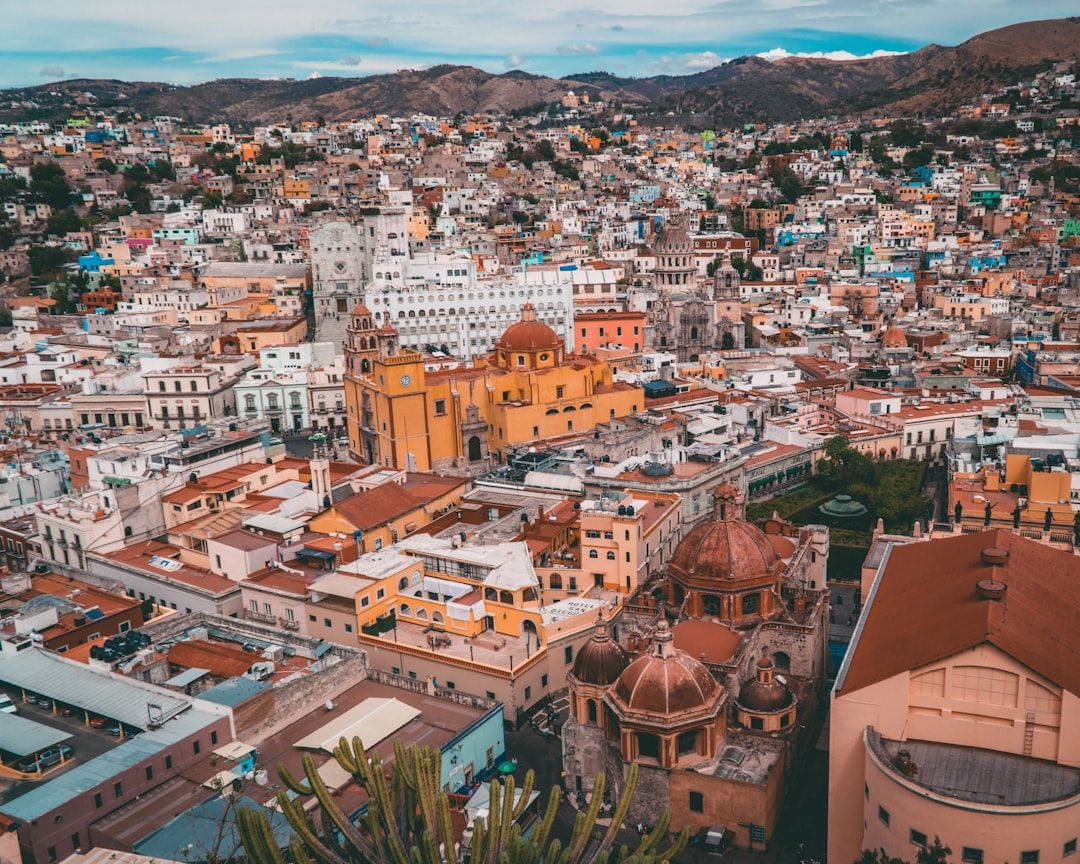
Mexico is the largest expat destination for Americans and the arithmetic has shifted. Prices in pesos remain low; the peso strengthened considerably against the dollar in the years to 2024, so the dollar figures in older articles overstate how far your money goes.
By city
| Mexico City | Guadalajara | Mérida | Querétaro | |
|---|---|---|---|---|
| 1-bed rental | $700–1,300 | $450–800 | $400–700 | $450–800 |
| Utilities + internet | $60–110 | $55–100 | $70–130* | $55–100 |
| Groceries, couple | $350–500 | $300–450 | $300–450 | $300–450 |
| Comida corrida | $4–7 | $3–6 | $3–6 | $3–6 |
| Couple, monthly | $1,800–2,800 | $1,400–2,200 | $1,400–2,200 | $1,400–2,200 |
*Mérida's utility figure is higher because air conditioning is not optional — the Yucatán is hot and humid year round, and a household running AC through the summer sees a substantially larger electricity bill than the rest of the country.
Healthcare, which is the strongest argument
Private healthcare in the major Mexican cities is good and inexpensive by US standards.
| Item | Typical |
|---|---|
| Specialist consultation | $40–80 |
| Private insurance, 40s | $100–180/mo |
| Private insurance, 60s | $250–450/mo |
| Dental cleaning | $30–50 |
The public IMSS system is available to residents by voluntary enrolment at low annual cost, with the usual trade-off in waiting times. Most expats use private care and pay out of pocket for routine things, since a consultation costs less than a US insurance copay.
Note that insurance becomes markedly more expensive and harder to obtain after 65, and pre-existing conditions are commonly excluded. Get quotes for your actual age before committing.
Where the money goes further
Mérida is the current value recommendation: colonial architecture, consistently ranked among the safest cities in the Americas, a large and growing foreign community, and costs well below Mexico City. The heat is the trade.
Guadalajara gives you a proper large city — culture, food, a tech sector — at moderate prices and a much better climate than Mérida.
Querétaro is small, prosperous, safe and increasingly popular with professionals.
Mexico City offers the most of anywhere, and Roma and Condesa have risen sharply — those specific neighbourhoods are now priced closer to a mid-size US city. Coyoacán, Escandón and Narvarte are cheaper and more residential.
San Miguel de Allende is beautiful and expensive, with a foreign population large enough that it no longer functions at Mexican prices.
What costs more than expected
Imported goods. Anything from a US brand carries a substantial markup, and electronics are notably expensive.
Cars. Purchase and insurance both cost more than the US.
Air conditioning in the hot regions, as above.
International schooling, at $6,000–15,000 a year per child.
The context
Gentrification driven by remote workers is a live issue in Mexico City in particular, where the arrival of foreign earners into Roma and Condesa during and after the pandemic pushed rents beyond what local wages support. There have been visible protests about it.
It is worth knowing, and worth responding to in the obvious ways: learn Spanish, live outside the two or three most affected neighbourhoods, rent long-term rather than displacing housing into short lets, and do not describe the city as cheap in front of people it is not cheap for.